© Vacheron Constantin
If you think you have shed your 'newbie' label in the world of watches, Do you now feel more confident as you can distinguish between a chronometer and a chronograph? When you see a new beginner, Do you feel eager to share your knowledge about watches? However, You may still not be familiar with all the functions. If you know just this, You will be able to talk about watches smoothly to your mom, Dad, Your girlfriend who may not want to hear it, Or your boss who is busy showing off his new watch. So, We will explain it clearly this time. A to Z of watch functions. This time, It is about the calendar function.
What is the calendar function?
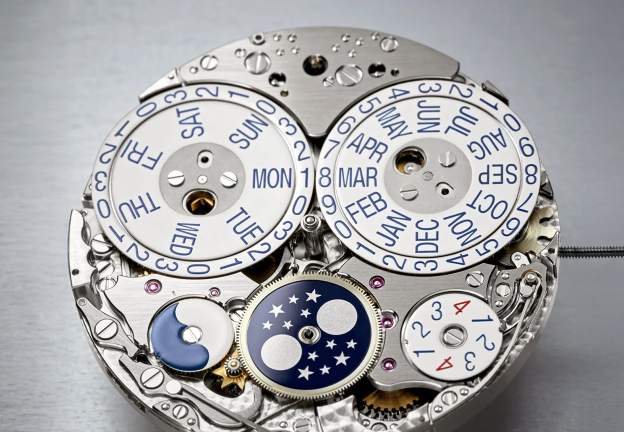
© Patek Philippe
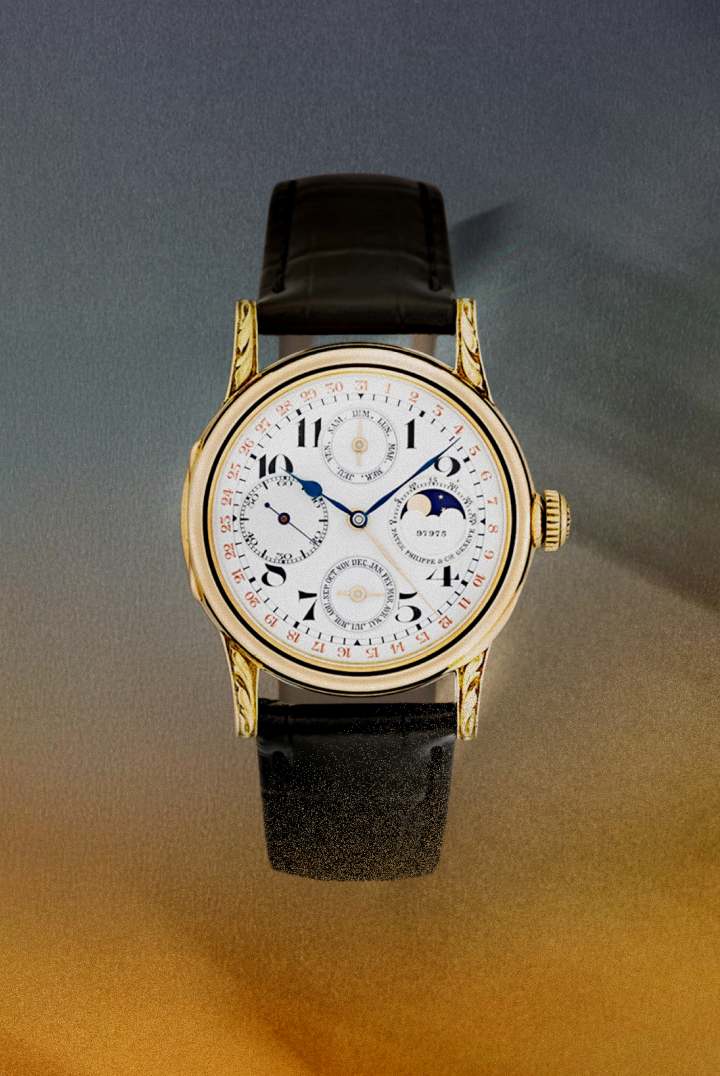
In short, The calendar refers to the date function. Usually, A square window is placed at the 3 o'clock position on the dial, And the numbers from 1 to 31 change every midnight to indicate the date. Depending on how much date information is provided, The name and mechanism of the calendar function become more complex. The perpetual calendar, Which is the pinnacle of calendar functions, Is considered one of the most complicated complications.
The basics of the calendar function – Date
© Rolex
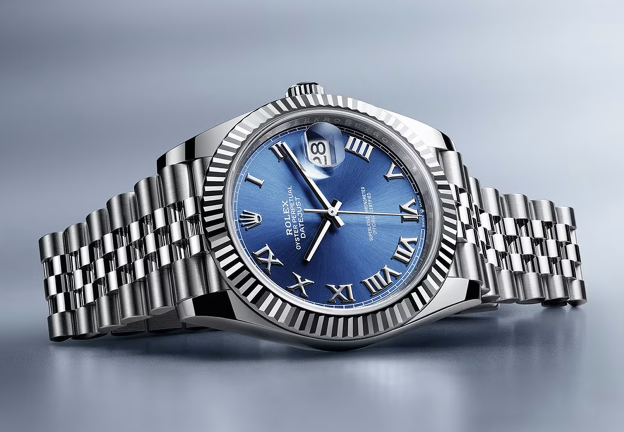
This is now such a common feature that it is considered basic. Watches with a date function in a self-winding caliber are so popular that they are often entry-level models. The number shown through the square window on the dial, Called the date window, Is the date.
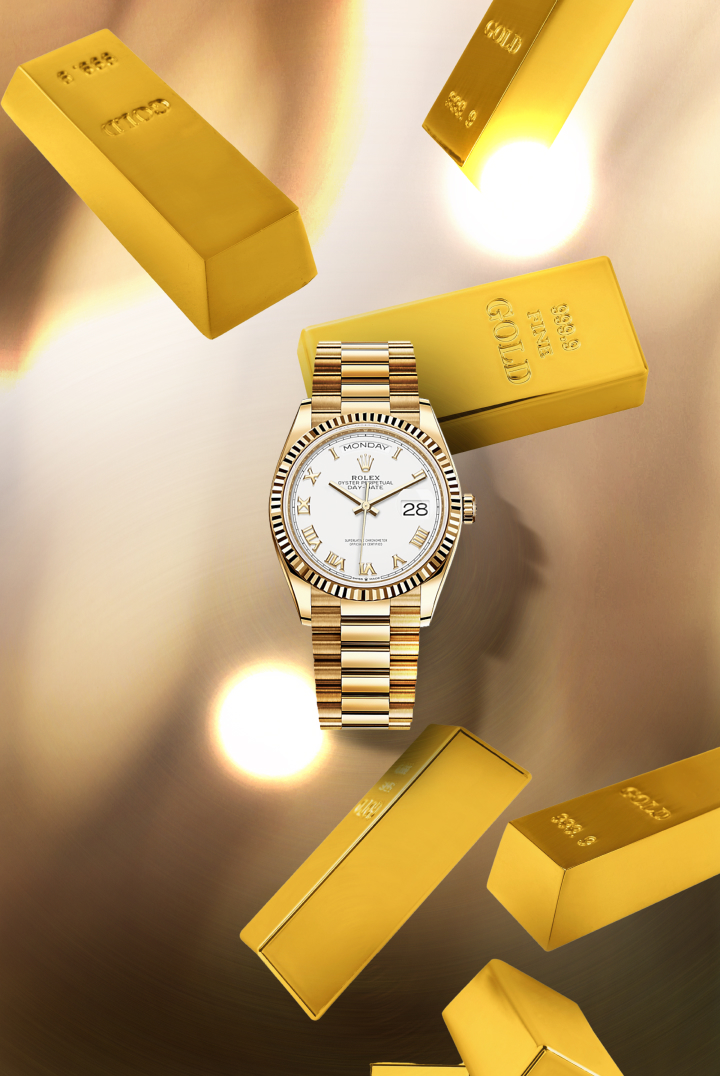
Rolex Datejust has an intuitive name that indicates it has a date function. The 'Just' after Date refers to the quick change, Which comes from the feature where the date changes instantly with a click around midnight. Without quick change, The date disc turns slowly around midnight, And you may see a gap between dates or it may take time to know the exact date, So the quick change function was developed.
© Monochrome
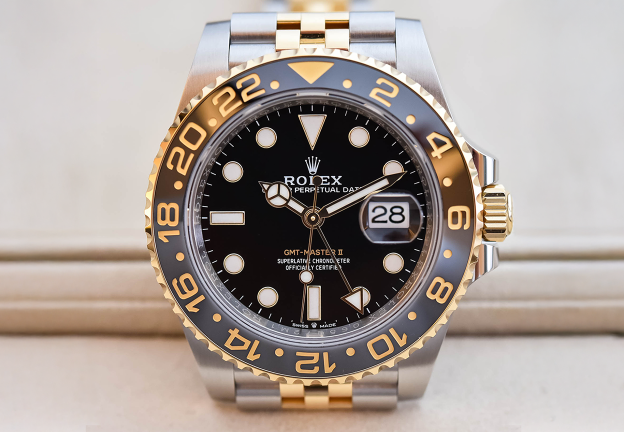
When the user changes the date manually, Most watches cannot turn the time backward. For example, If you are setting the date to the 15th and accidentally go to the 16th, You have to keep turning forward past the 31st and back to the 15th. This is inconvenient because you cannot turn it backward. Watches like the Rolex GMT-Master II allow you to turn it backward, Which is convenient. This method is often found in GMT watches that can display another time zone. By using a method where only the hour hand moves in one-hour increments while the minute hand stays fixed, You can freely change the date forward or backward. This is useful when the user travels across countries and moves to a negative time zone, Causing the date to go back. Although this is a convenient way to adjust the date, It takes a long time to change the date if there is no mode to adjust only the date, As in the Datejust.
I want to know the day too! Day-Date
© Rolex
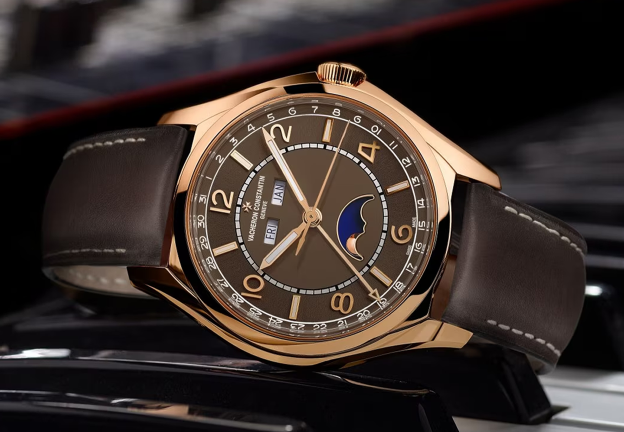
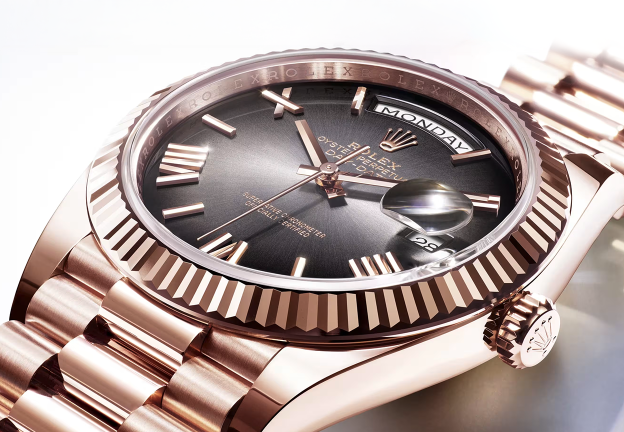
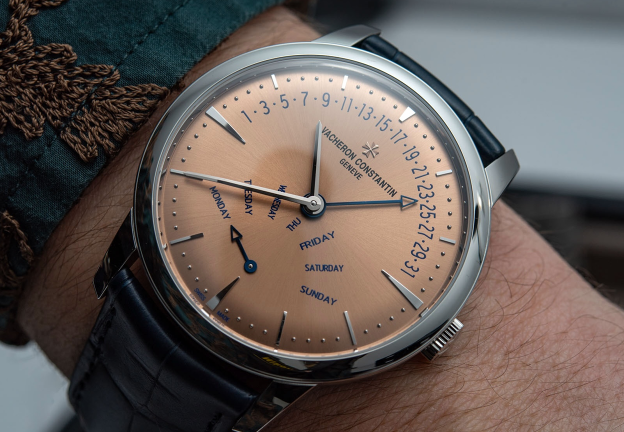
There are many models to explain the calendar function, But no watch expresses the day-date function as intuitively as the Rolex Day-Date. The name itself is Day-Date. A day window is added at the 12 o'clock position. It is more practical because you can check the date and day at the same time. Some watches use two windows like the Rolex Day-Date, While others, Like the Vacheron Constantin Patrimony Day-Date, Use two retrograde functions.
© aBlogtoWatch
Retrograde refers to a function where the indicator hand jumps back to the starting point when it reaches the end. When both the date and day are implemented as retrograde, You can enjoy watching the arrow jump back to the starting point every Sunday and at the end of each month.
I want to know the month as well as the date and day
Full Calendar
© Jaeger-LeCoultre
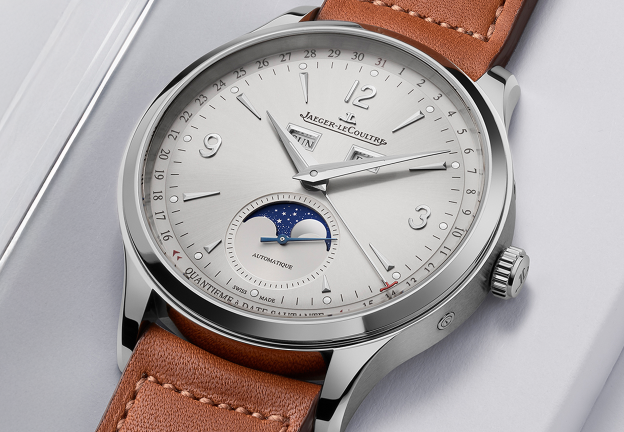
A calendar function that displays the date, Day, And month is called a full calendar. In the past, It was also called a triple calendar because it provided three pieces of date information. Nowadays, It is called a full calendar or a complete calendar. Since three pieces of date information are gathered, The dial space can be tight if windows are used. Therefore, Full calendars often follow a typical format. Typically, Two small windows and a pointer are used. With this layout, There is often enough space to pair it with a moonphase. The Jaeger-LeCoultre Master Control Calendar is a standard example of a full calendar. A particularly notable feature is that the pointer jumps from the 15th to the 16th, So as not to cover the moonphase.
Changing the date is bothersome
But I want a reasonable purchase
Annual Calendar
© Patek Philippe
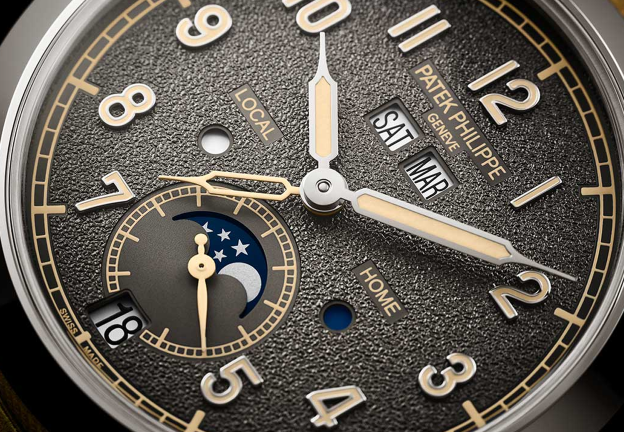
The more functions a watch has, The higher the price. For date, Day-date, And full calendar watches, The user must adjust the date at the end of each month, That is, On the 30th or the last day of February. Adjusting it every month can be a bit bothersome. The annual calendar automatically distinguishes between 30-day and 31-day months, Except for February 29 in a leap year. Since it automatically changes the date except for one day a year, It is sometimes classified as a small complication. If you want to use the date function more conveniently and want a reasonable price, The annual calendar is a good choice.
© Rolex
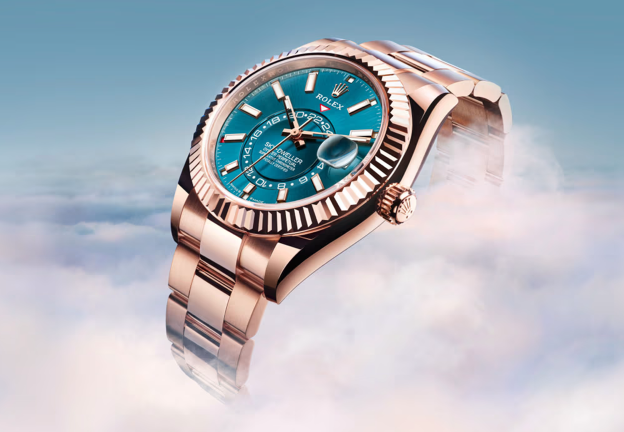
Annual calendar watches also generally use windows and subdials to display the time, But the Rolex Sky-Dweller features the Saros annual calendar mechanism, Showing the month as a red highlight on the index rather than as a number. The 12 hours displayed on the watch represent the months. The Sky-Dweller in the image above is indicating August.
The pinnacle of calendar functions
Perpetual Calendar
© Jaeger-LeCoultre
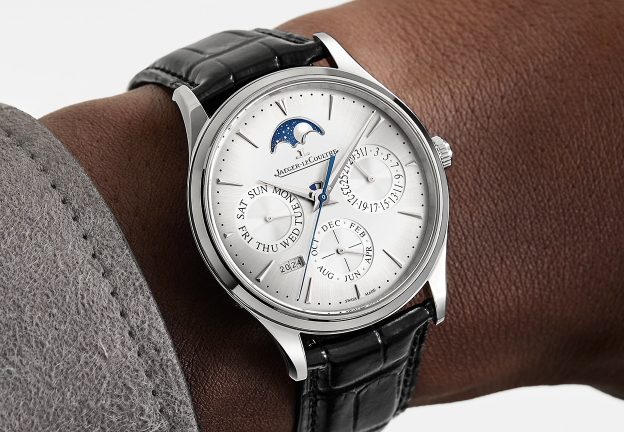
If you wear your watch every day and keep it wound, You do not need to adjust the date on this watch. Whether it is the year 2100 or later depends on the watch (in fact, It is 2104), But as of now, The perpetual calendar function does not require the user to adjust the date for a lifetime.
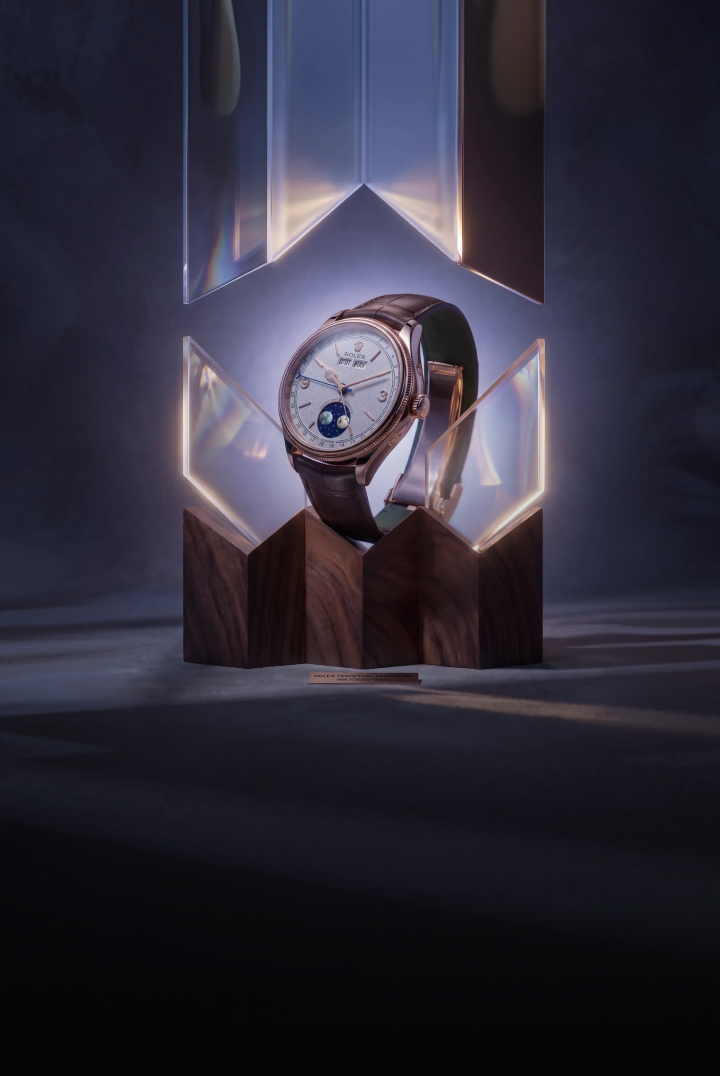
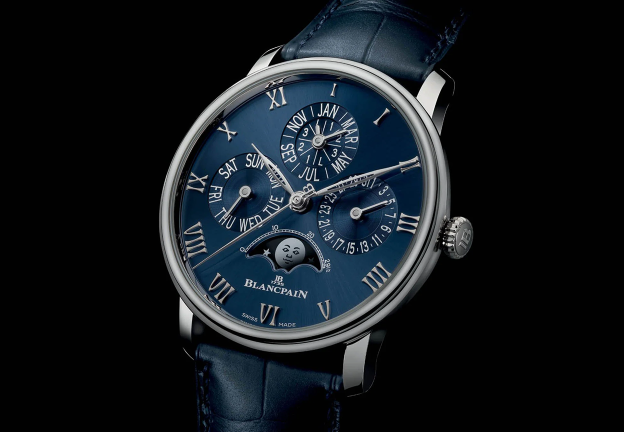
The perpetual calendar is a fully automated calendar function and is much more complex than the annual calendar. If you want the pinnacle of calendar functions, The perpetual calendar is the answer. It is also much more expensive. The arrangement of complications varies, But the clean '3-6-9' layout of Jaeger-LeCoultre above and Blancpain below is familiar.
© Blancpain
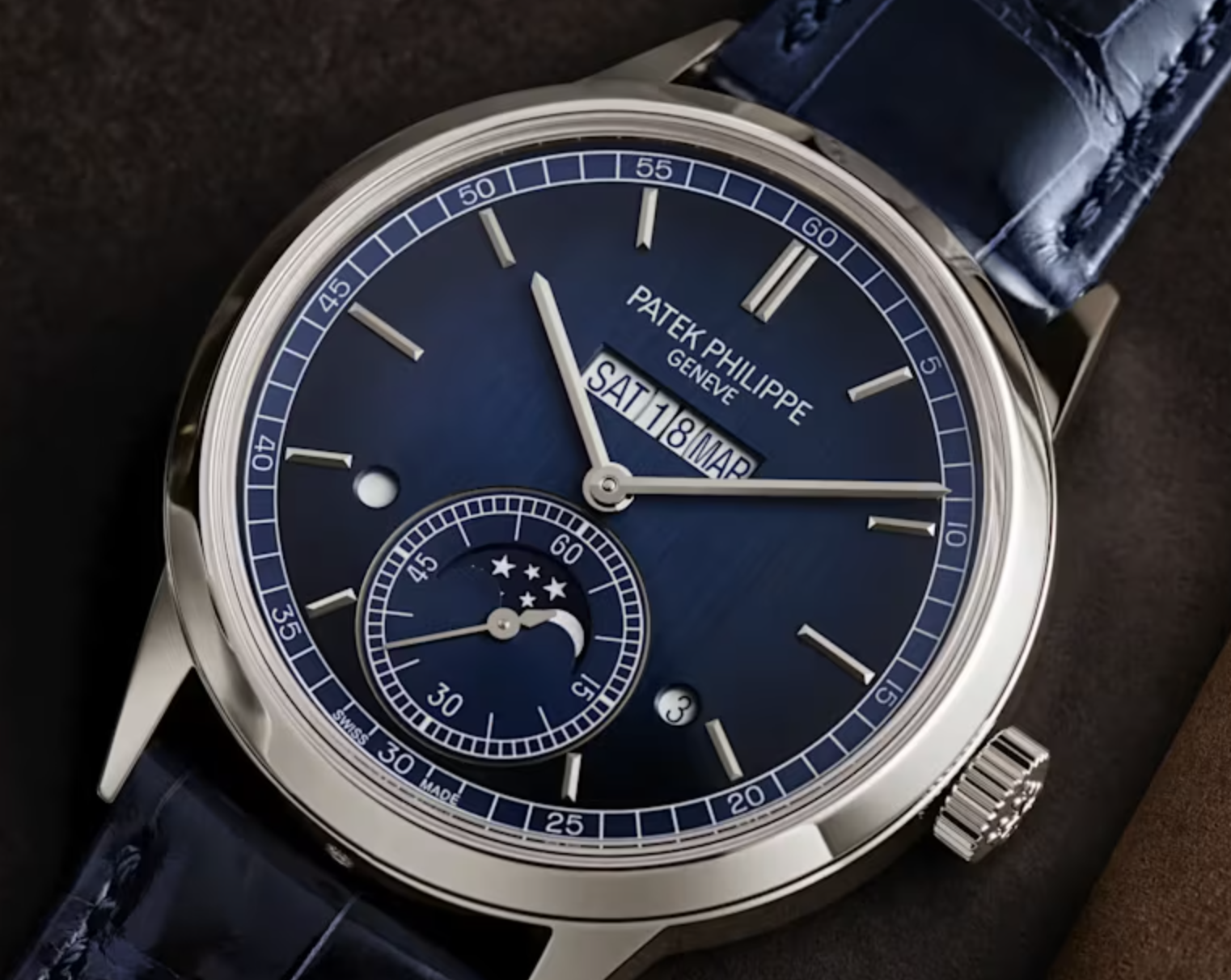
Even the complex perpetual calendar can be expressed in various ways. In 2021, Patek Philippe introduced its first inline perpetual calendar for its wristwatches, Which arranges the day-date-month in a row instead of the traditional subdial layout, Giving a much simpler and more organized impression.
© Patek Philippe
Today, Audemars Piguet, Whose Royal Oak is considered synonymous with the brand, Has actually been a master of high complications since the past. It was the first to create a perpetual calendar wristwatch with a leap year indicator, And it is said that Audemars Piguet also made the first self-winding perpetual calendar wristwatch.
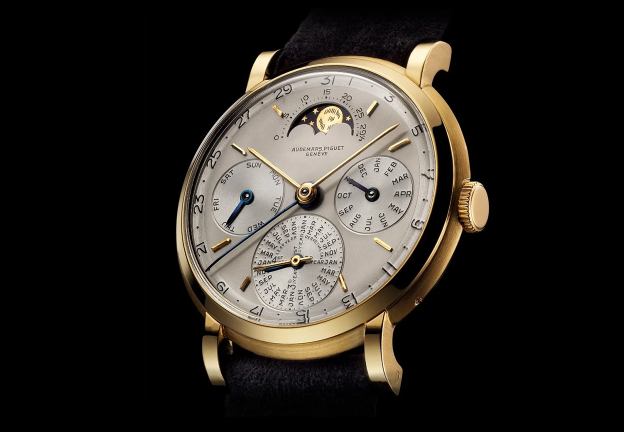
Ref. 5516, The first to introduce a leap year indicator (at 6 o'clock)
© Audemars Piguet
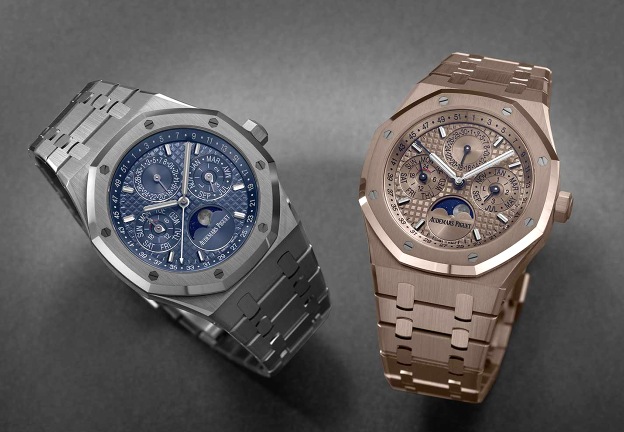
The last calendar to introduce is the Royal Oak Ultra Thin Perpetual Calendar, Which Audemars Piguet unveiled to celebrate its 160th anniversary, And it is an advanced perpetual calendar.
© Revolution Watch
The new perpetual calendar from Audemars Piguet has removed all correctors from the side of the case and integrated the adjustment functions into the crown. Not only are all the date functions linked, But you can conveniently adjust the desired date information forward or backward using four crown adjustment modes.
Perpetual calendars that can be operated forward and backward with a single crown have already been implemented by Ulysse Nardin, H. Moser & Cie., And Cartier. However, The only problem with these systems was that they required too many crown operations.
© Fratello
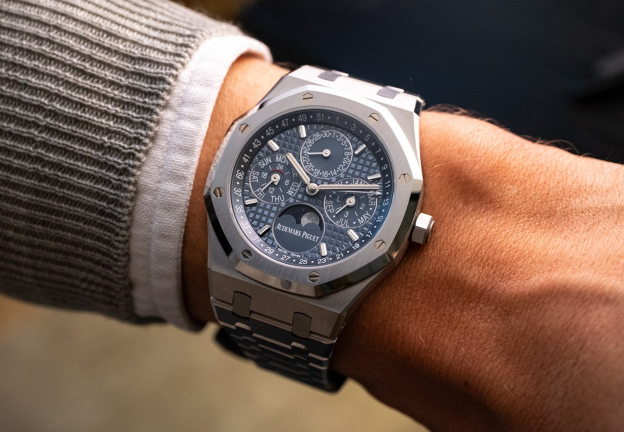
The Cal. 7138 installed in this perpetual calendar is surprisingly easy to operate.
First position: wind the watch. Second position (pulled out one notch): adjust the date, Month, And leap year. Third position (pulled out fully): set the time. Fourth position (hidden): from the third position, Push in one notch to adjust the day, Week, And moonphase.
We hope this has been helpful for those reaching the intermediate level in watches. We will return with another fascinating story about watches.
Felix
Writer
Watch Columnist