Among the top 20 highest-priced watches ever sold at auction, 14 were timepieces produced before the 1970s.
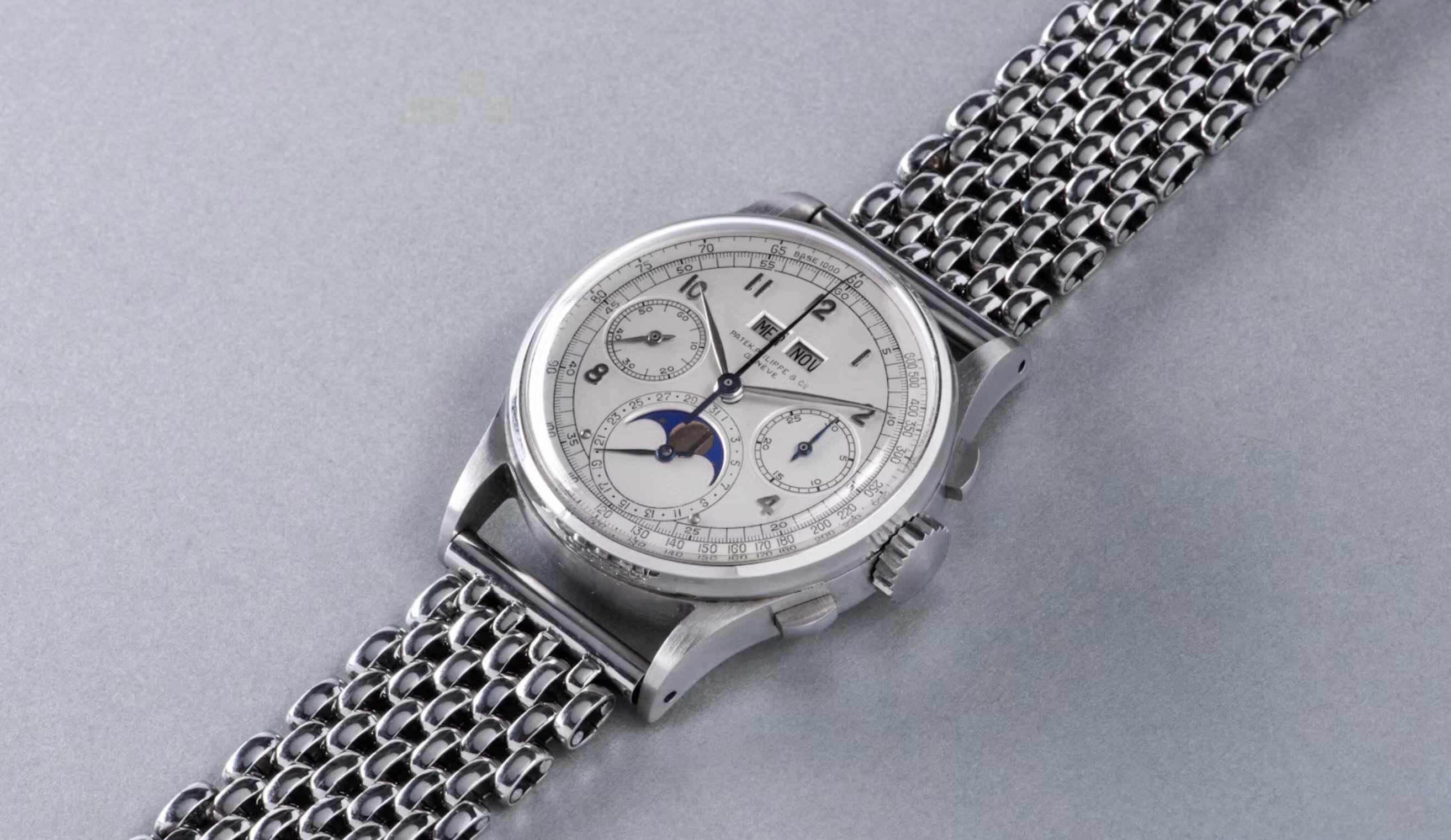
Patek Philippe Chronograph Perpetual Ref. 1518 (Produced in 1943)
© Phillips, Hodinkee
Can such astronomical prices be explained simply by the fact that these watches are old? What factors justify the value of these antiques? In the first part of our two-part series on 'vintage watches, ' we will begin by discussing what a vintage watch is and its definition.
Can it be defined by age alone?
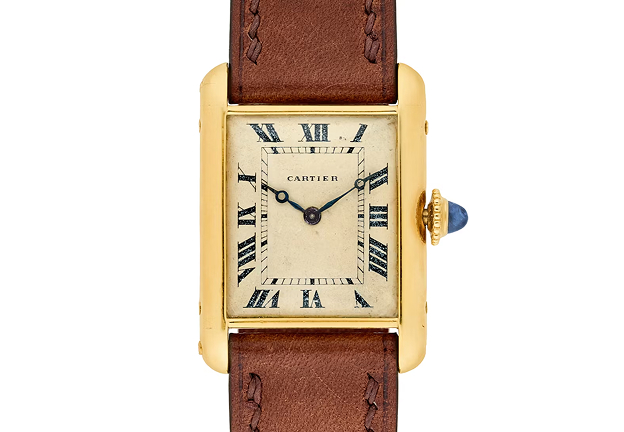
Early 1920s Cartier Tank Louis / © Hodinkee
The simplest way to define 'vintage' is by age. However, Even this does not have a clear standard. Generally, Watches produced before the late 1980s to early 1990s, The so-called 'renaissance of mechanical watches, ' are often considered vintage. This is because the watch industry began to move away from the quartz crisis during this period and started to adopt modern manufacturing techniques and marketing strategies in earnest.
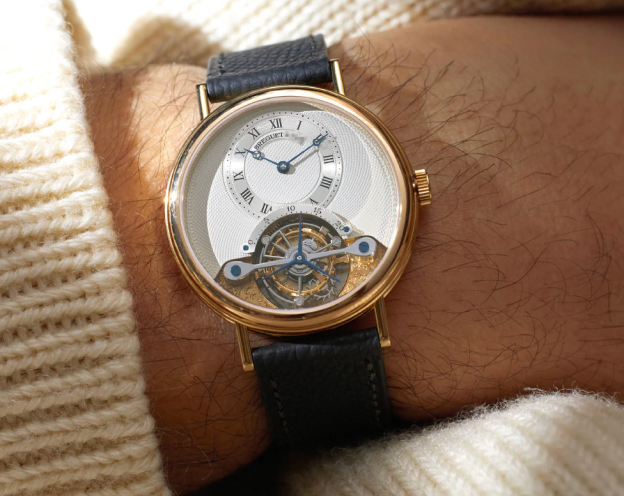
Daniel Roth's Breguet Tourbillon Masterpiece Ref. 3350 released in 1988
© A Collected Man
On the other hand, Those who apply a stricter standard consider only watches produced before the 1970s, Before the quartz crisis, To be truly vintage. For them, Vintage refers to products from an era when the pure tradition of mechanical watchmaking was maintained. Recently, The concept of 'Neo Vintage' has also emerged. This refers to a broader category that includes watches from the 1990s to the early 2000s, Combining the charm of vintage with the durability of modern watches. In addition, The lower price barrier compared to new products makes them attractive and they are rapidly gaining popularity among new collectors.
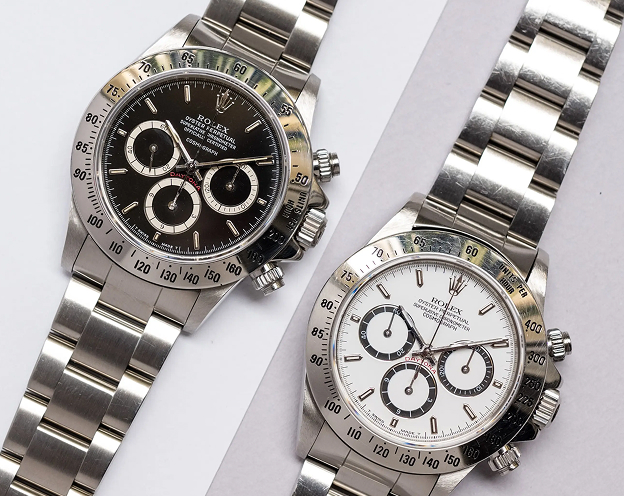
The first automatic Daytona using Zenith's El Primero movement
Ref. 16520 (1988-2000). A representative Neo Vintage Rolex
© 41 Watch
The concept of vintage as understood through automobiles
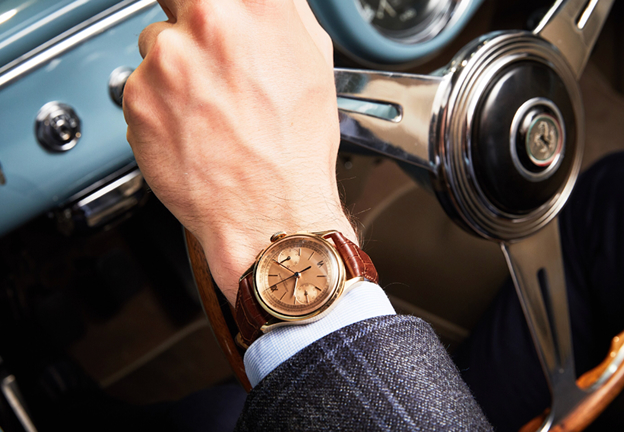
Vacheron Constantin Chronograph Ref. 4072 / © Sotheby's
To explain the definition of 'vintage' by age more easily, Let us look at the generational changes of the familiar Hyundai Grandeur.
First-generation Grandeur (1986-1992) is the undisputed 'original.' Nicknamed 'Gak Grandeur, ' these cars set the standard for Korea's vintage car culture as the country's first luxury sedan. Even now, They are firmly recognized as vintage cars among domestic automobile enthusiasts.
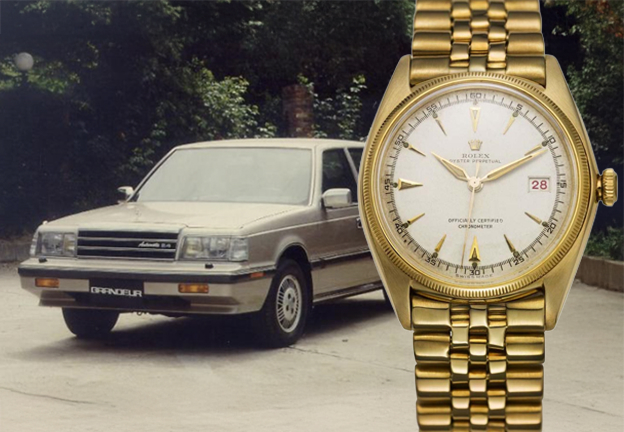
First-generation Grandeur, First-generation Datejust
© Hyundai, The Jewellery Editor
Second-generation Grandeur (1992-1998) was favored by presidents and business leaders both in dramas and in real life. In the 1990s, When imported cars were rare, The second-generation Grandeur was always seen in front of luxury hotel lobbies. In the domestic automobile scene, It is recognized as a vintage car, Even being called an 'old car.'
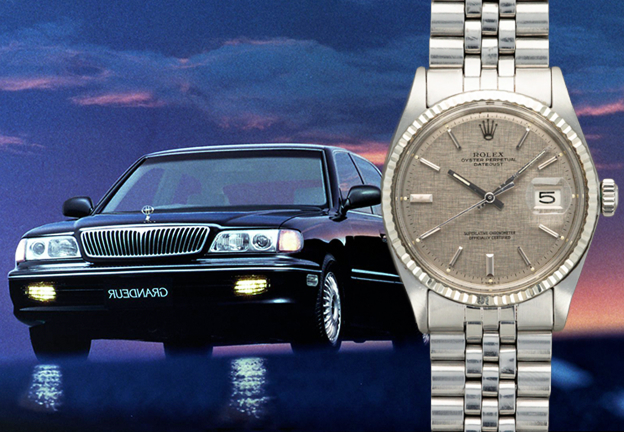
Second-generation Grandeur, Ref. 1601 that marked the era of mass commercialization of the Datejust
© Hyundai, Oliver and Clarke
From the third-generation Grandeur (1998-2005) opinions may differ. Many VIPs used this car during the 2002 World Cup and the prestige of being Korea's top luxury car continued from the second generation. However, With the introduction of Hyundai's flagship Equus and Ssangyong Chairman, It could no longer maintain its position as the 'best.'
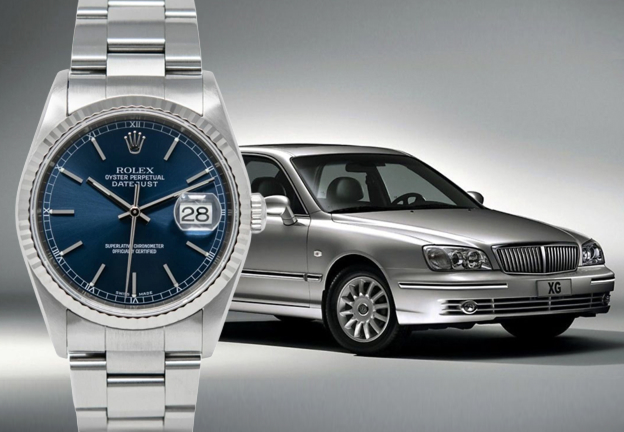
Third-generation Grandeur, Datejust Ref. 16234
© Hyundai, Watch Chest
From the fourth-generation Grandeur (2005-2011) it is relatively rare to call it a vintage or old car. As sales of Equus and Chairman increased, The market focus shifted and the image changed from a 'chauffeur-driven boss's car' to a sedan for owner-drivers.
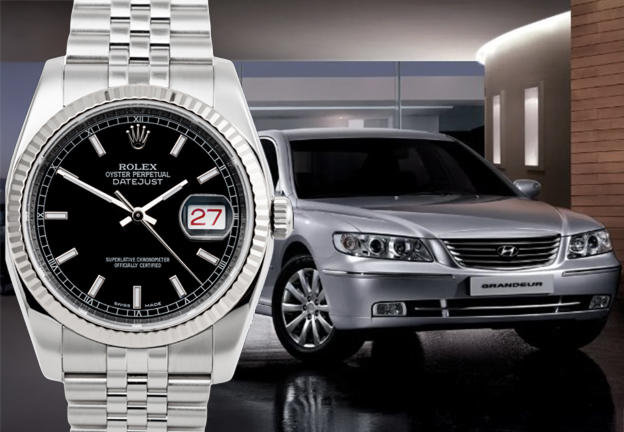
Fourth-generation Grandeur, Super (Maxi) Case Datejust ref. 116234
© Hyundai, Autoview, Watch Club
The difference between simple 'oldness' and 'vintage'
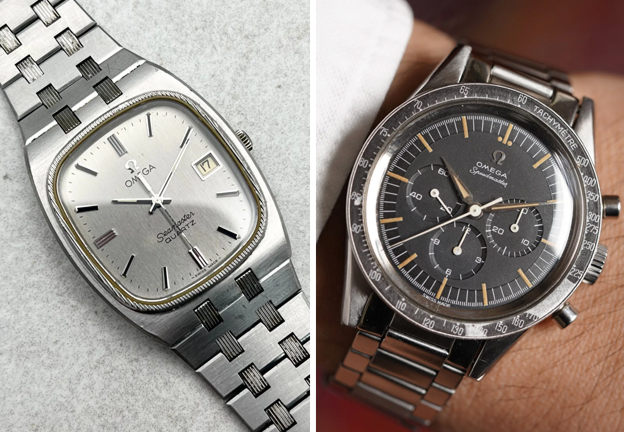
Left: Seamaster Quartz / Right: Speedmaster 2998-6
© The Wrist Watcher, Wind Vintage
The quartz Seamaster on the left was produced in the 1970s but is not particularly memorable in terms of design philosophy or production quality. Of course, With the current popularity of retro-futurism design, It is being re-evaluated as a practical vintage item. In contrast, The Speedmaster 2998-6 on the right, Produced in the 1960s, Is recognized as a timepiece that faithfully carries on the philosophy of the original Speedmaster. This design continues to be reissued today, With the brand confident in the watch's value and consumers finding justification for ownership.
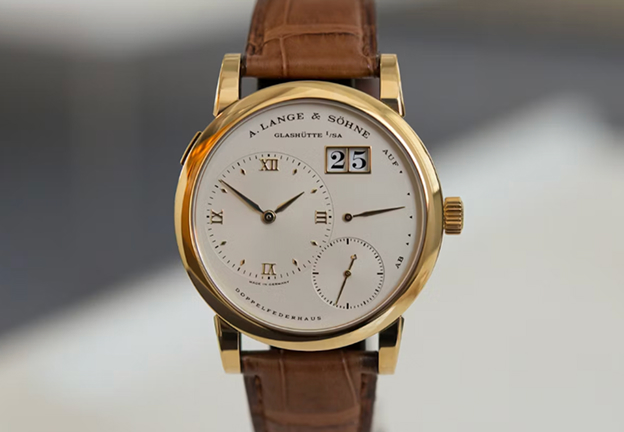
As of 2025, The Lange 1 Ref. 101.001 will mark its 31st anniversary
© Hodinkee
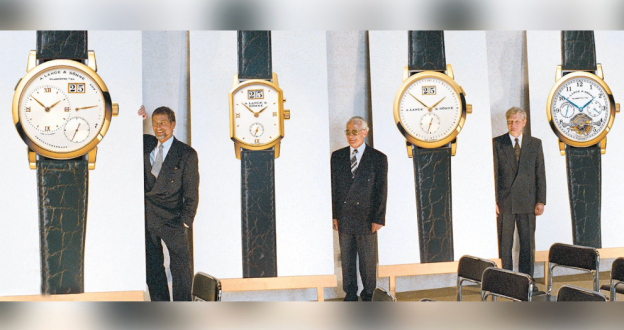
The 1994 presentation announcing the revival of Lange / © Lange
As seen in the Grandeur example above, Age alone is not enough. What matters more is the significance the product held at the time. The reason the first and second-generation Grandeur are recognized as vintage cars is not simply their age but because they symbolized an era and became cultural icons.
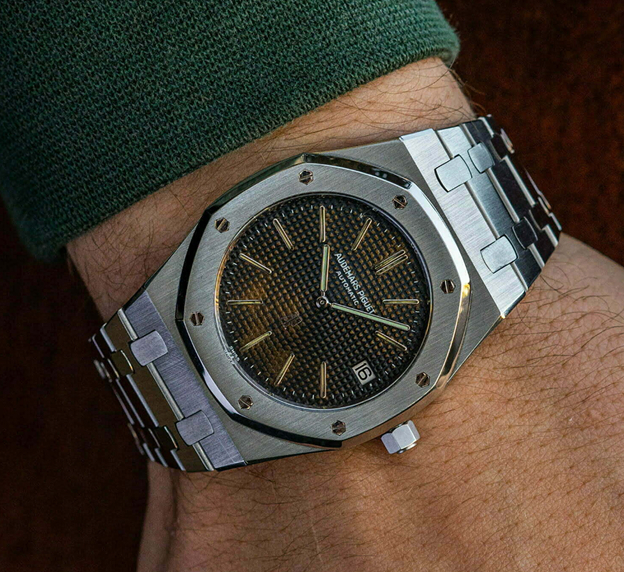
The Audemars Piguet Royal Oak Ref. 5402 that gave birth to the concept of the 'luxury sports watch'
© Amsterdam Vintage Watch
The same applies to watches. The key to distinguishing between a simply old watch and a true 'vintage' watch lies in the value felt by watch enthusiasts. Only watches that embody the technological innovations of their era, Are linked to historical events, Or display timeless beauty in design are truly called vintage.
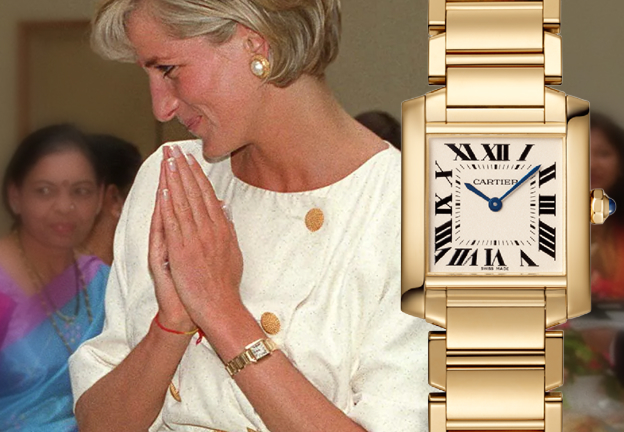
© Tim Graham Photo Library/Getty Images.
It is said that the two sons of the late Princess Diana cherish and still keep the Cartier Tank Française among their mother's many keepsakes.
The meaning and beauty that do not fade with time—could this not be the true essence of a vintage watch?
So, What exactly are the special 'values' that vintage watches possess?
In the next part, We will take a deeper look at the answer to that question.
David Hwang
Watch Analyst
Watch Terminal