In 2024, While global exports of Swiss watches decreased by 2.8 percent, The Indian market recorded a remarkable 25 percent growth, Showing a trend that seemed to defy gravity.
Table 1. Swiss Watch Export Growth Rates by Major Region
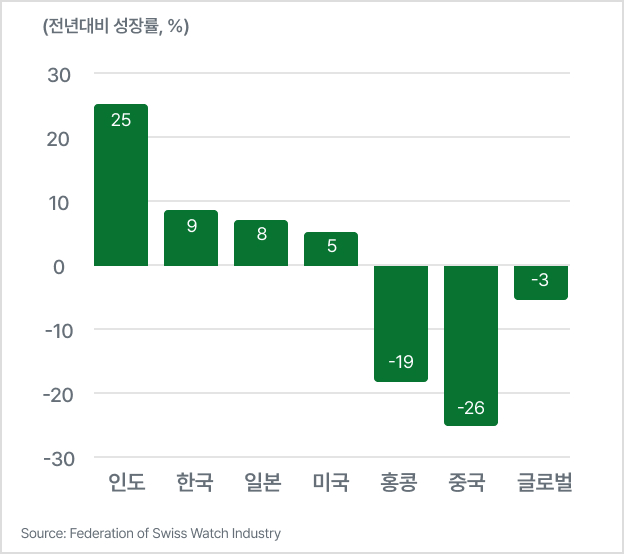
Table 2. Swiss Watch Export Market Share by Major Region
(as of 2024)
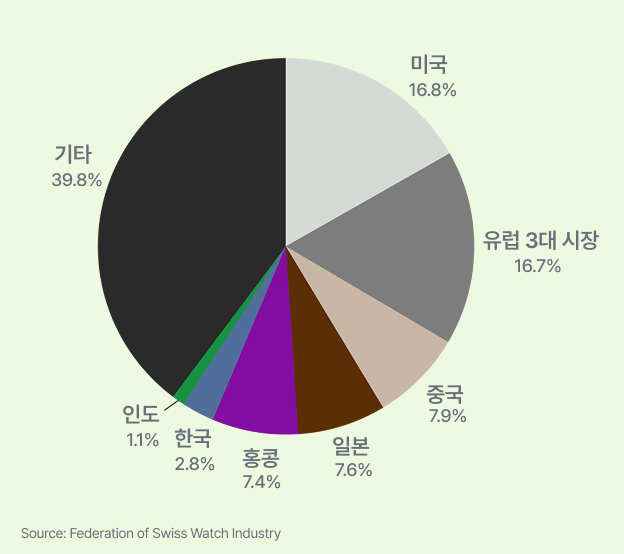
Note: Top 3 European markets: UK, France, Germany
Until recently, India was ranked outside the top 30 in terms of Swiss watch market size, But it has quickly risen to 21st place, And is expected to enter the top 10 by 2028. How much impact will India have on the global watch market?
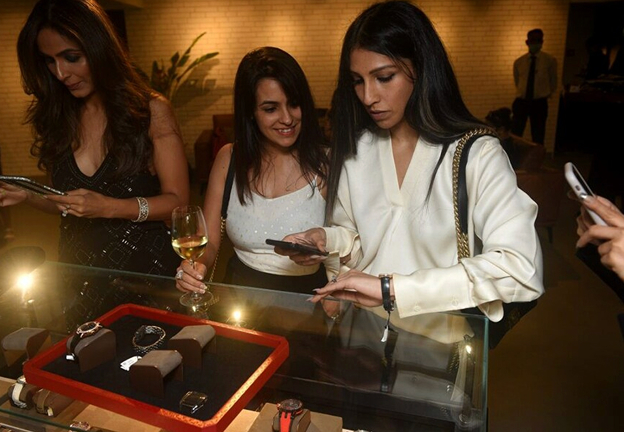
© Forbes India
Will India's rise become a factor that raises watch prices in the global (and Korean) watch market in the long term?
Billionaire 'Hotspot', India
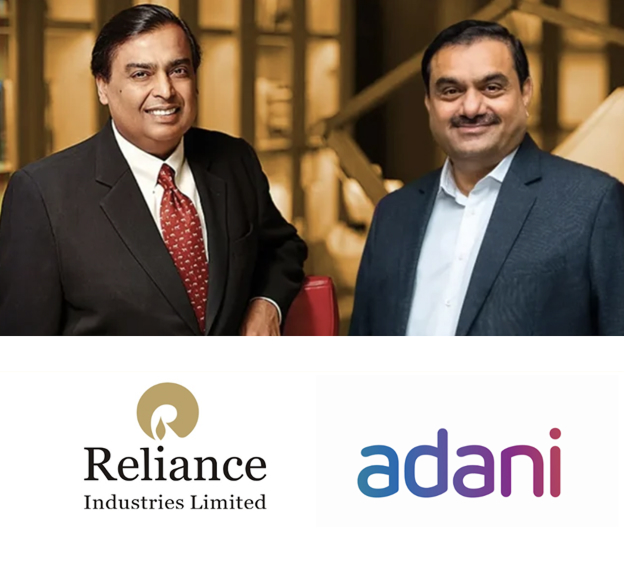
(Left) Mukesh Ambani (Reliance Industries)
(Right) Gautam Adani (Adani Group)
Their combined net worth is 202 trillion KRW
© India Business Journal
India currently boasts a total of 205 billionaires (China 450, Korea 40) and 120 unicorn companies on the Forbes list.
Table 3. Stock Market Returns Comparison from 2015 to 2025
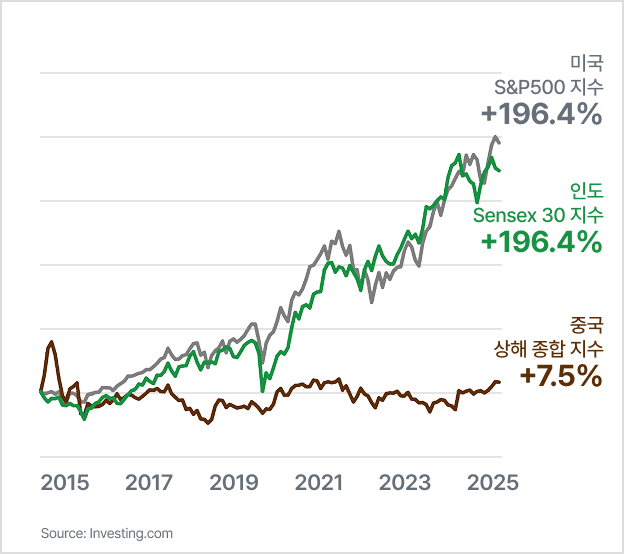
Note: As of August 2025
In addition, The size of India's stock market (market capitalization) has grown by about 220 percent over the past 10 years (China grew 47 percent during the same period), Creating even more wealthy individuals.

© Forbes India
Nevertheless, As of 2024, The proportion of millionaires in India's total population is only 0.06 percent, Similar to China in the 2010s.
Table 4. Comparison of Millionaire Population (as of 2024)
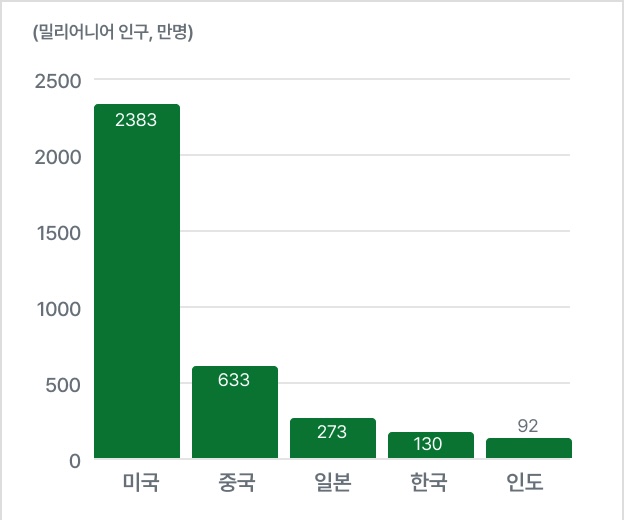
Source: UBS Global Wealth Report
Table 5. Proportion of Millionaires in Total Population
(as of 2024)
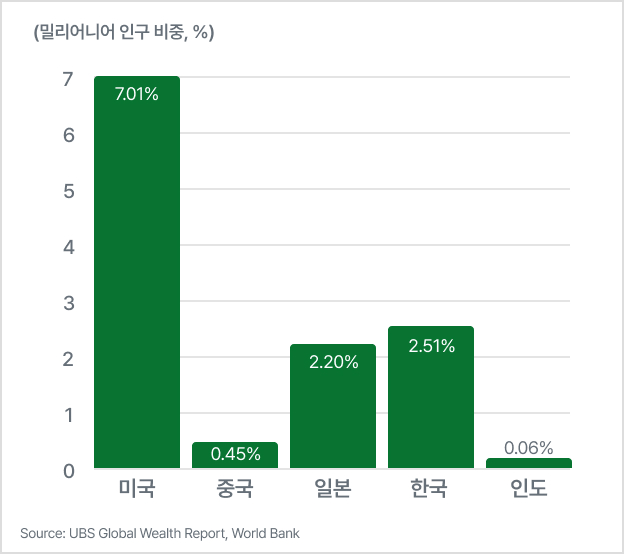
If the proportion of millionaires in India reaches 0.1 percent, As it did in China 10 years ago, That would be about 1.4 million people, Surpassing Korea's millionaire population (1.3 million). Once the wealthy population reaches this scale, India could become a major market for Swiss watchmakers, No longer just an 'emerging market'.
Cultural Foundation for Loving Watches

Indian watchmaker featuring Indian actress Malaika Arora as ambassador
© Jaipur Watch Company
Last year, India became the world's largest gold jewelry market. According to The Economist, Gold jewelry consumption in India in 2024 reached 560 tons, Surpassing China (510 tons), Which had previously been the largest market.
Table 6. Gold Demand Trends by Region (as of 2024)
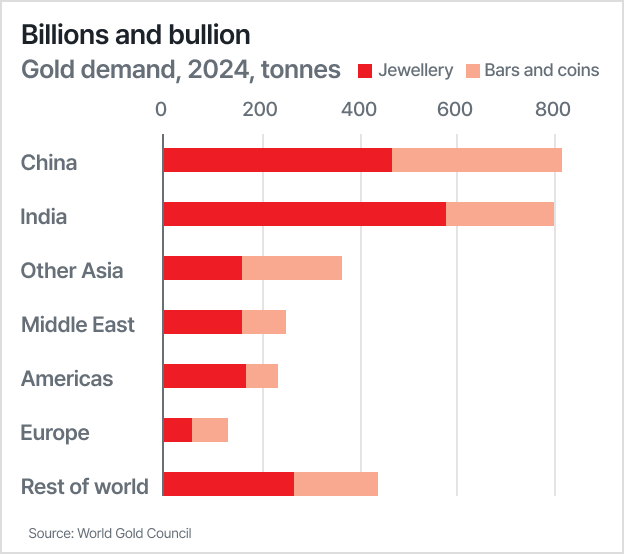
Note: The red section indicates gold jewelry,
the apricot section indicates demand for gold bars and coins.
In India, Gold and jewelry typically represent
1. A means of intergenerational wealth transfer,
2. An economic 'safety net' for women,
3. A symbol of social status.

© Shades Photography
For reference, Indian middle and upper class weddings use between 200g and over 1kg of gold, Which at current gold prices amounts to about 30 million to 150 million KRW.
For this reason, About half of annual gold demand is believed to be related to wedding gifts and marriages, Which is similar to Korea's wedding gift culture and perception of luxury watches.

© Vogue
In addition, Considering the culture in which public figures such as Anant Ambani (of the Ambani family, Owners of Reliance Group), The top Asian wealthy family, Freely wear ultra-luxury and high-priced watches in public (very different from Korea), Demand for watches or gold watches may increase even further.
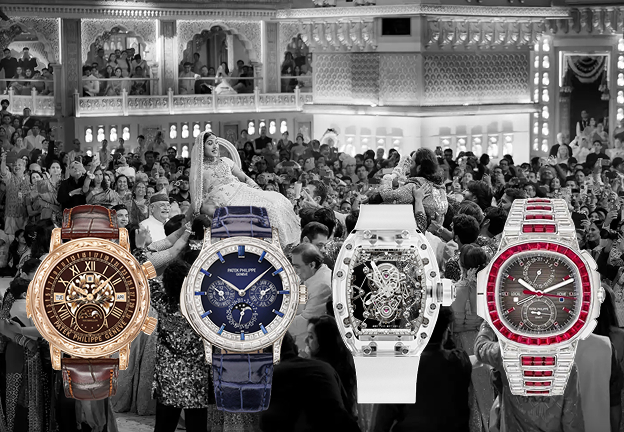
Part of Anant Ambani's watch collection worn during his wedding festivities
© Epic Stories, Patek Philippe, Richard Mille
For reference, Anant Ambani reportedly gifted the Audemars Piguet Royal Oak Perpetual Calendar 26584OR to his 25 closest friends. The retail price at the time exceeded 150 million KRW.
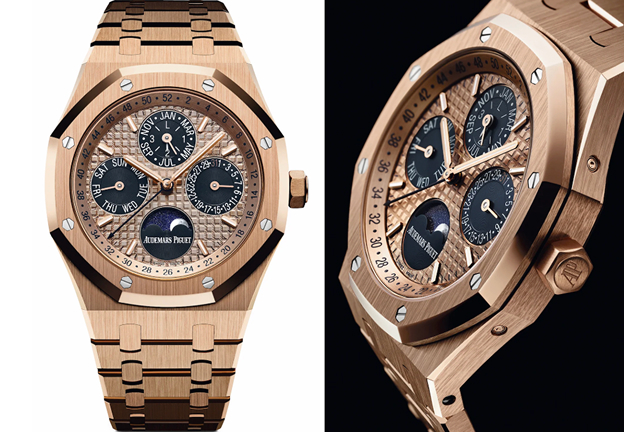
Royal Oak Perpetual Calendar 26584OR
© Audemars Piguet
The Indian Watch Market
Similar to China 20 Years Ago
So what does the Indian watch market look like now?
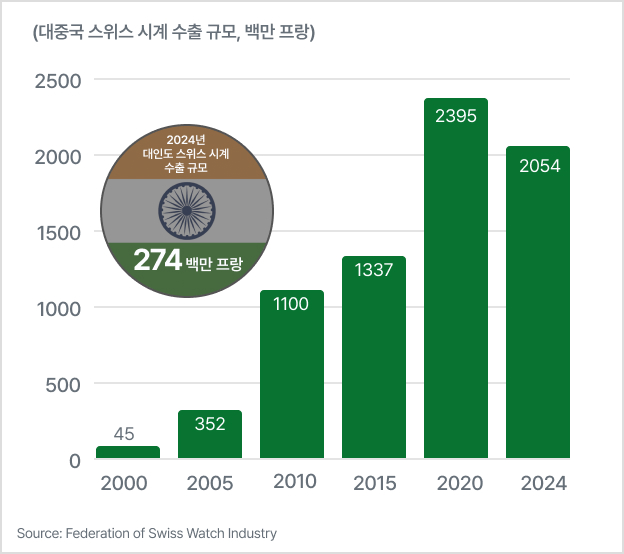
According to Swiss watch export statistics, India's Swiss watch imports in 2024 amounted to 274 million CHF (based on 2024 exchange rates, 42.4 billion KRW). This is even lower than the 356.1 million CHF exported to China in 2005 (based on the exchange rate at the time, 29.3 billion KRW).
Table 7. Growth in Swiss Watch Exports to China
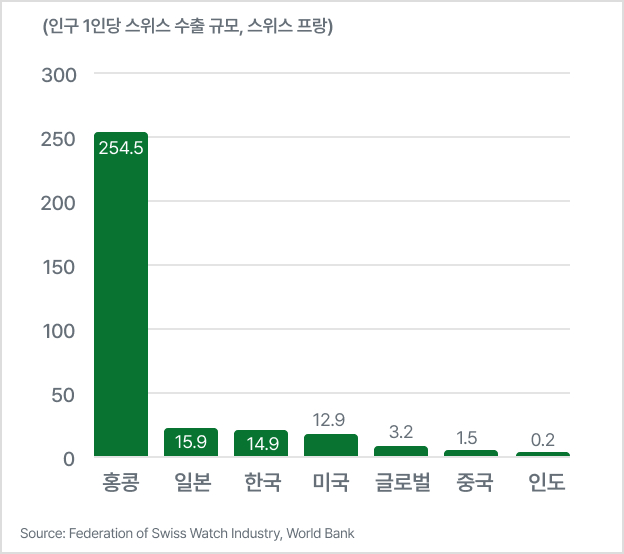
What about imports per capita?
India's per capita Swiss watch import is 0.19 CHF, A significant gap compared to China (1.5 CHF).
Table 8. Comparison of Per Capita Swiss Watch Exports by Major Country
Rapidly Changing Indian
Luxury Market Ecosystem
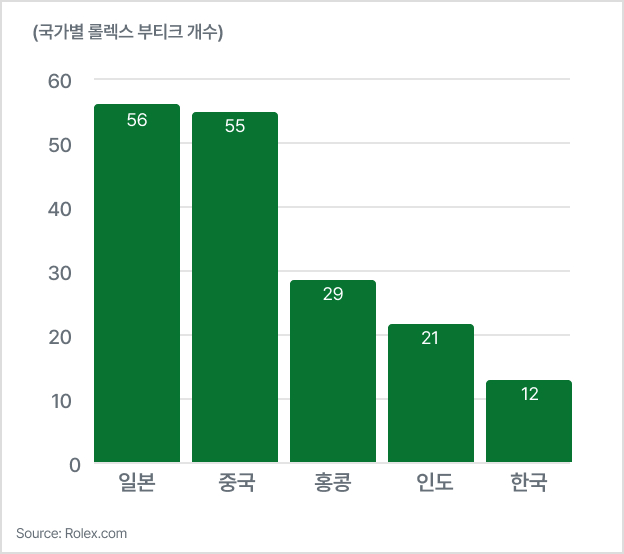
India's Swiss watch distribution infrastructure is very limited compared to China or other Asian countries. For example, While there are 55 Rolex boutiques in China, Which has a similar population to India, There are only 21 in India.
Table 9. Number of Official Rolex Boutiques by Major Asian Country
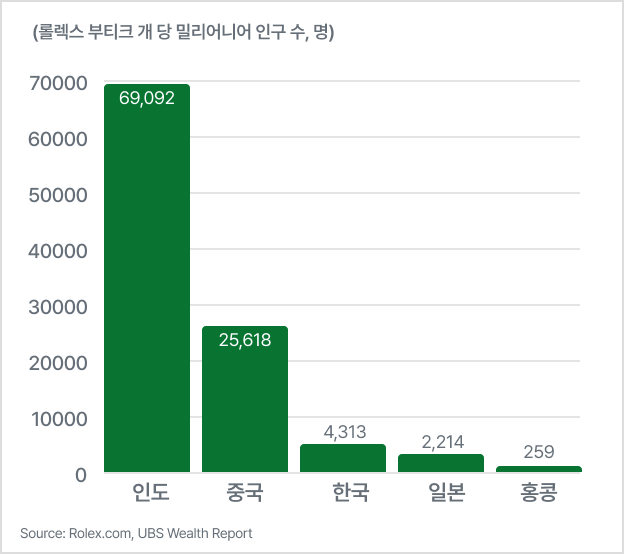
This means that each boutique must serve a larger number of millionaires, In other words, The coverage is insufficient.
Table 10. Number of Rolex Boutiques vs. Millionaire Population
(Millionaires per Boutique)
Swiss watchmakers and global luxury houses appear to be changing their strategies. They are actively entering the market and expanding their sales networks, Seeing the lack of luxury market infrastructure in India as an opportunity.
These are representative brands for which Indian celebrities have served as brand ambassadors. If this trend continues, It is highly likely that more brands, Especially those perceived as high-end, Will appoint Indian ambassadors.
USA, Japan, China... Next is India?
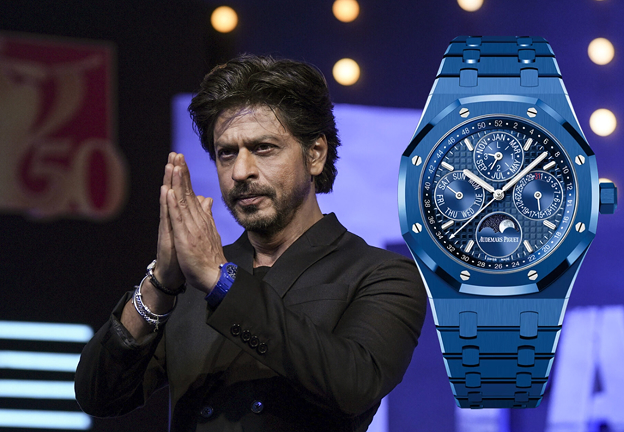
Shah Rukh Khan, India's national actor representing Bollywood
© Shashank Parade, Audemars Piguet
Since the early 1900s, When mass production of wristwatches began, Swiss watchmakers have continuously entered new markets and grown: before and after World War II, The United States, From the 1960s to the 1990s, Pan-East Asia centered on Hong Kong and Japan, And since the 2000s, China.
Table 11. Changes in Swiss Watch Export Market Share by Major Country
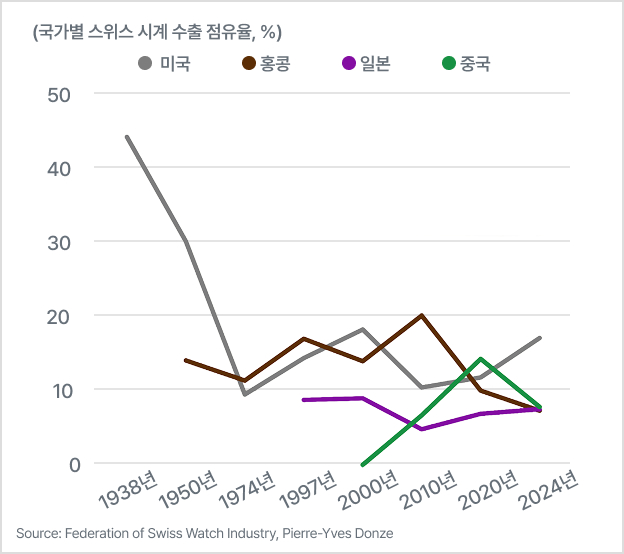
However, Swiss watchmakers have now lost all these growth engines and are facing major risks such as trade wars and a 39 percent tariff on exports to the US. (Source: Herald Economy)
Securing the Indian market is now not just a competitive advantage for watchmakers, But an essential strategy for survival.
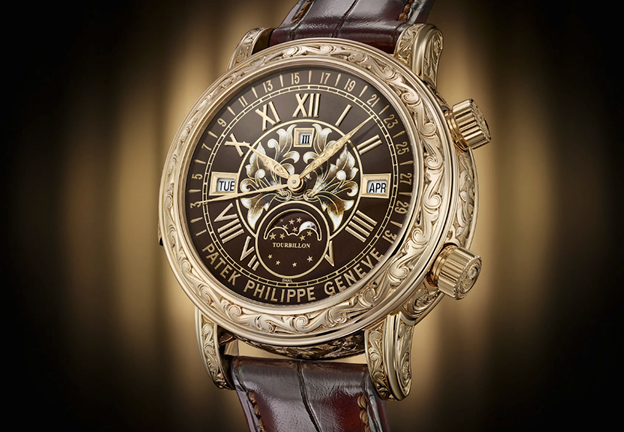
© Patek Philippe Sky Moon Tourbillon 600R-001
David Hwang
Watch Analyst
Watch Terminal