There are actually not many major events in the watch industry. There are watch fairs where global watch brands gather to unveil new products or auctions such as Sotheby's and Christie's at the end of the year that set new records for the most expensive watches. Among these, I would like to talk about watch fairs. For magazine subscribers and many Rolex enthusiasts, Baselworld and Watches and Wonders are likely familiar events. Let us take a look at how Baselworld, Once the world's largest watch festival, Declined and led to the current Watches and Wonders.
The Birth and Growth of Baselworld

ⓒ Baselworld
Baselworld began in 1917 as a special section for watches and jewelry at a fair held in Basel, The cultural capital of Switzerland. As more watch brands participated, It gradually grew into a major specialized event in the watch and jewelry field. With the participation of luxury watchmakers such as Patek Philippe in 1932 and Rolex in 1939, As well as popular brands like TAG Heuer and Breitling, It boasted a wide spectrum.
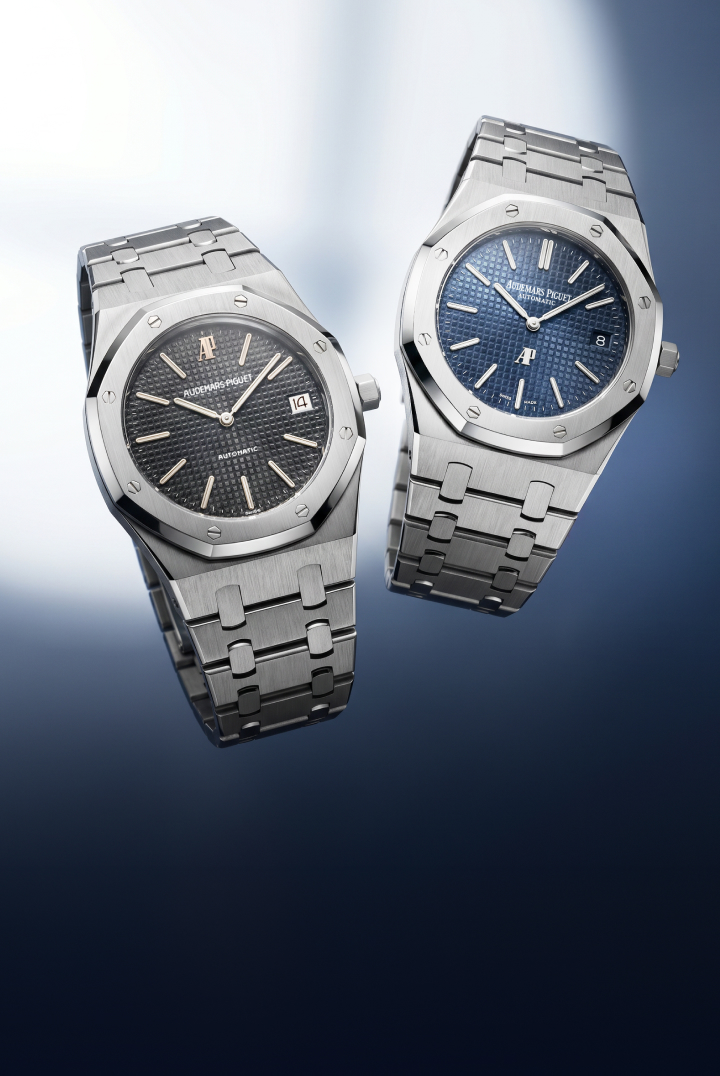
Centered in Switzerland, Companies from France, Italy, Germany and the United Kingdom gathered in one place, Serving as a true 'meeting place' for Europe. It is no exaggeration to say that every masterpiece in watch history was unveiled at Baselworld (for example, The Audemars Piguet Royal Oak, The icon of luxury sports watches, And Swatch, The savior of the Swiss watch industry, Among countless others). Many watch brands maintained long-term partnerships with Baselworld to secure special exhibitions and exclusive spaces. At one time, Baselworld was the world's largest watch fair, Accommodating over 100, 000 visitors and more than 1, 000 exhibitors. Why did Baselworld fall?
The Small but Powerful Start of Watches and Wonders

SHII 2018 / ⓒ Hodinkee
Let us turn to the story of Watches and Wonders. Watches and Wonders (hereafter W&W) debuted in 1991 under the title SIHH (Salon International de la Haute Horlogerie) with fewer than 60 participating brands, Aiming for a relatively small scale. Watches and Wonders was a different event from Baselworld, Focusing on horology with roundtable discussions, Lectures and watchmaking seminars. During the SIHH era, It was a curated fair where only invited guests could attend private events, Making retailers and industry insiders the main participants. Although the venue was smaller, It offered greater convenience for participants than Baselworld, So more brands joined each year and it built a strong reputation with its clear identity focused on horology.

W&W 2022 ⓒ Timeandtidewatches
The Fall of Baselworld
Baselworld, Which had grown in size and scale, Faced its downfall in 2020 when major brands such as Rolex, Patek Philippe, Tudor, Chanel and Chopard announced their withdrawal during the height of the COVID-19 pandemic. There were several reasons for this. These included increased exhibition costs after the main hall was remodeled in 2013, The decision in 2017 to cut ties with brands that did not meet certain standards and, Most importantly, The refund policy following the cancellation of the event in 2020 due to COVID-19. According to the announced refund policy, There was public criticism that the organizer excessively deducted the deposit already paid to cover their own losses after the event was canceled. In the end, Baselworld decided to cancel the show again in 2021 and has not reopened since.

ⓒ Watches and wonders
This year, Watches and Wonders Geneva will be held from March 27 to April 2 under the theme of 'Past and Future'. Famous watch boutiques are expected to offer a variety of attractions through special exhibitions and new product showcases. We look forward to the leap of W&W in 2023 opening a new paradigm for watch fairs and VIVER will continue to bring you more news.
Young
Writer
My dream is to become the king of watches.