'Cartier is the Rolex for Generation Z.' This was the headline of a Bloomberg article on December 1 last year. It is understandable (and hard to believe) but Cartier has now become a brand with a 'resale premium.'
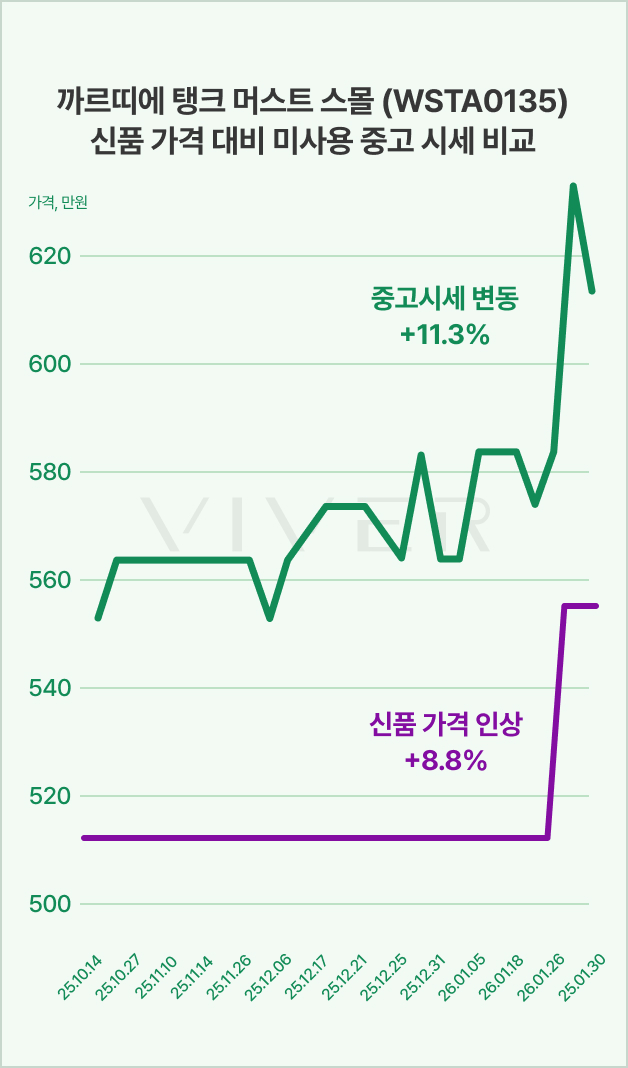
Table 1. Cartier Tank traded with a resale premium of about 10%
For those who appreciate the analog sensibility of mechanical watches this situation may feel unfamiliar. However if you look at how Rolex became 'Rolex' you will understand that Cartier's growing market dominance is not simply a temporary phenomenon caused by the Taylor Swift effect.

The Cartier Santos Demoiselle, Which became a hot topic due to an engagement photo
© https://www.vogue.co.uk
The watch chosen by 'the beloved'
In the 1950s when the limits of mechanical watch technology were approaching Rolex realized that the future value of watches and watchmakers should be based not on functional standards such as chronometer certification (proof of accuracy for mechanical watches) but on intangible value.
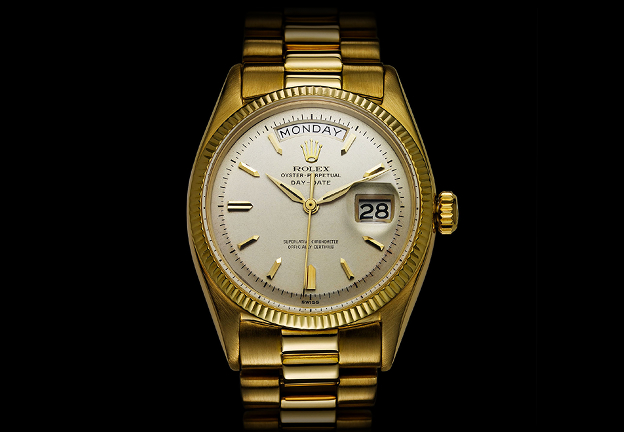
The first Day-Date Ref. 6511
© https://monochrome-watches.com
Perhaps for this reason just before the launch of the Daytona (1963) which was released without an in-house movement the Day-Date—an icon that is 'Rolex to the bone'—emphasized the image that 'great people wear the Day-Date' rather than promoting the addition of a day function to the date. This was the beginning of Rolex becoming a symbol of success.
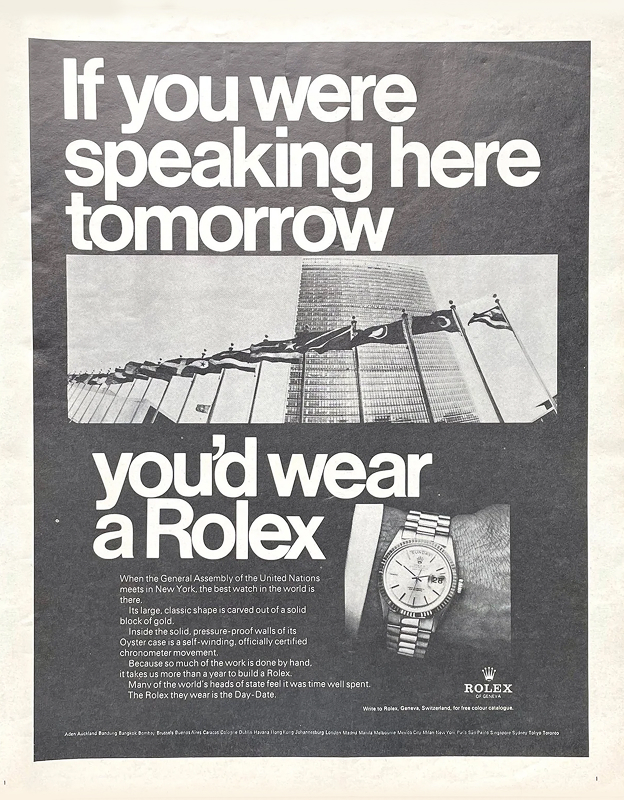
A vintage Rolex advertisement that started full-scale 'status marketing'
©
https://www.adpatina.com
Cartier can also be seen as following a similar path to Rolex in that it is building the image of being 'the watch for a certain person.'
For Cartier, Which has been manufacturing and distributing jewelry for nobles and celebrities living glamorous lives since the 1800s, Watches had to be beautiful rather than simply functional.
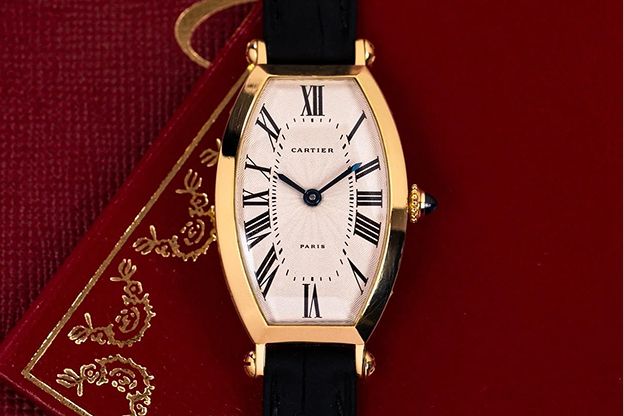
The Cartier Tonneau was first released in 1906
© https://amsterdamvintagewatches.com
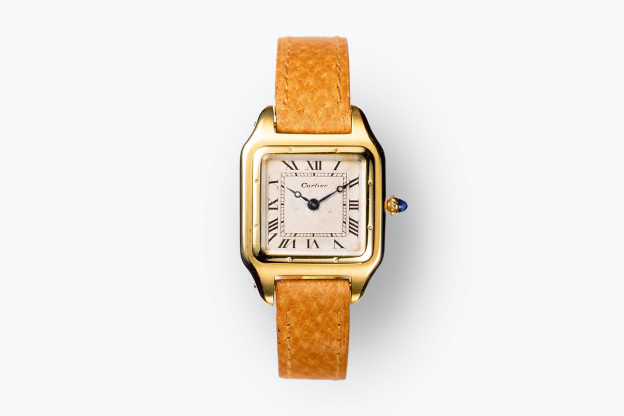
The Santos, Which appeared in 1904 and left a signature element on the Cartier dial
© https://revolutionwatch.com
For about 120 years Cartier has focused solely on making 'beautiful' watches and like Rolex instills a strong desire for something unnecessary convincing us that it is essential. This is something that even far more 'outstanding' watchmakers such as Jaeger-LeCoultre IWC Longines and Omega have not achieved.
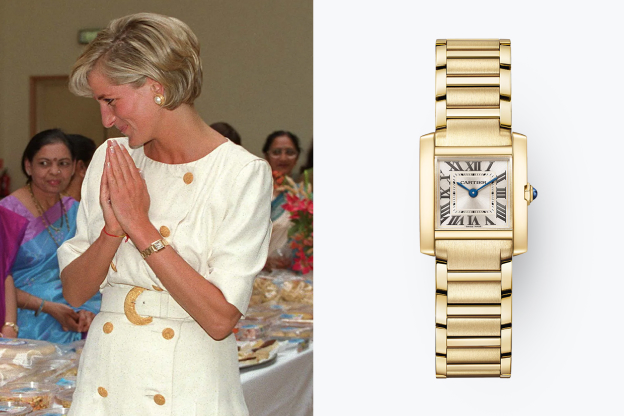
Princess Diana's Tank Francaise
©
https://www.vanityfair.com
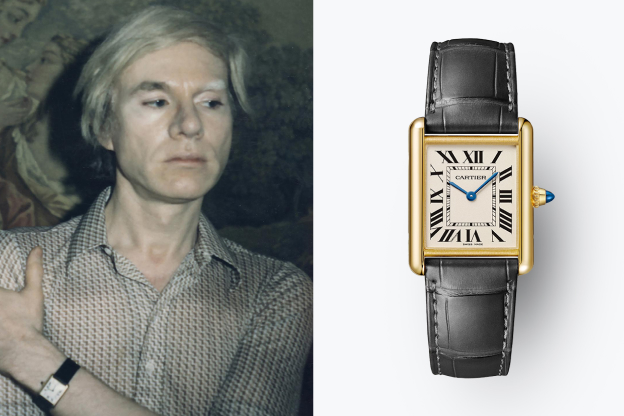
Andy Warhol's Tank Louis Cartier
https://www.thejewelleryeditor.com
Cartier was the watch chosen by 'the beloved' before being the watch for the 'capable.'
'Icon Factory'
Rolex and Cartier can be called 'icon factories.' Among the many watchmakers lining department stores and luxury streets only a few have created icons that even those who are not collectors can instantly recognize and say 'Oh I know what that watch looks like!'
Personally I think Omega (Speedmaster) Audemars Piguet (Royal Oak) and Jaeger-LeCoultre (Reverso) each have only one and even the 'great' Patek Philippe is widely recognized only for the Nautilus.
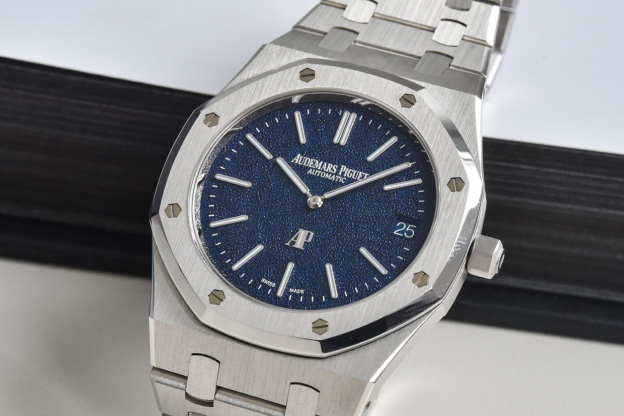
When you think of 'Audemars Piguet' you intuitively think of the `Royal Oak`
©
https://monochrome-watches.com
On the other hand Rolex has six icons: Datejust Submariner GMT-Master Day-Date Daytona and the most basic Oyster Perpetual. Even for non-mainstream models like the Explorer Sky-Dweller and Yacht-Master anyone can instantly recognize them as Rolex.
Symbolic Icons
The Submariner first introduced by Rolex in 1953 was not the first diver's watch but it became such a famous icon that many people are mistaken about it.
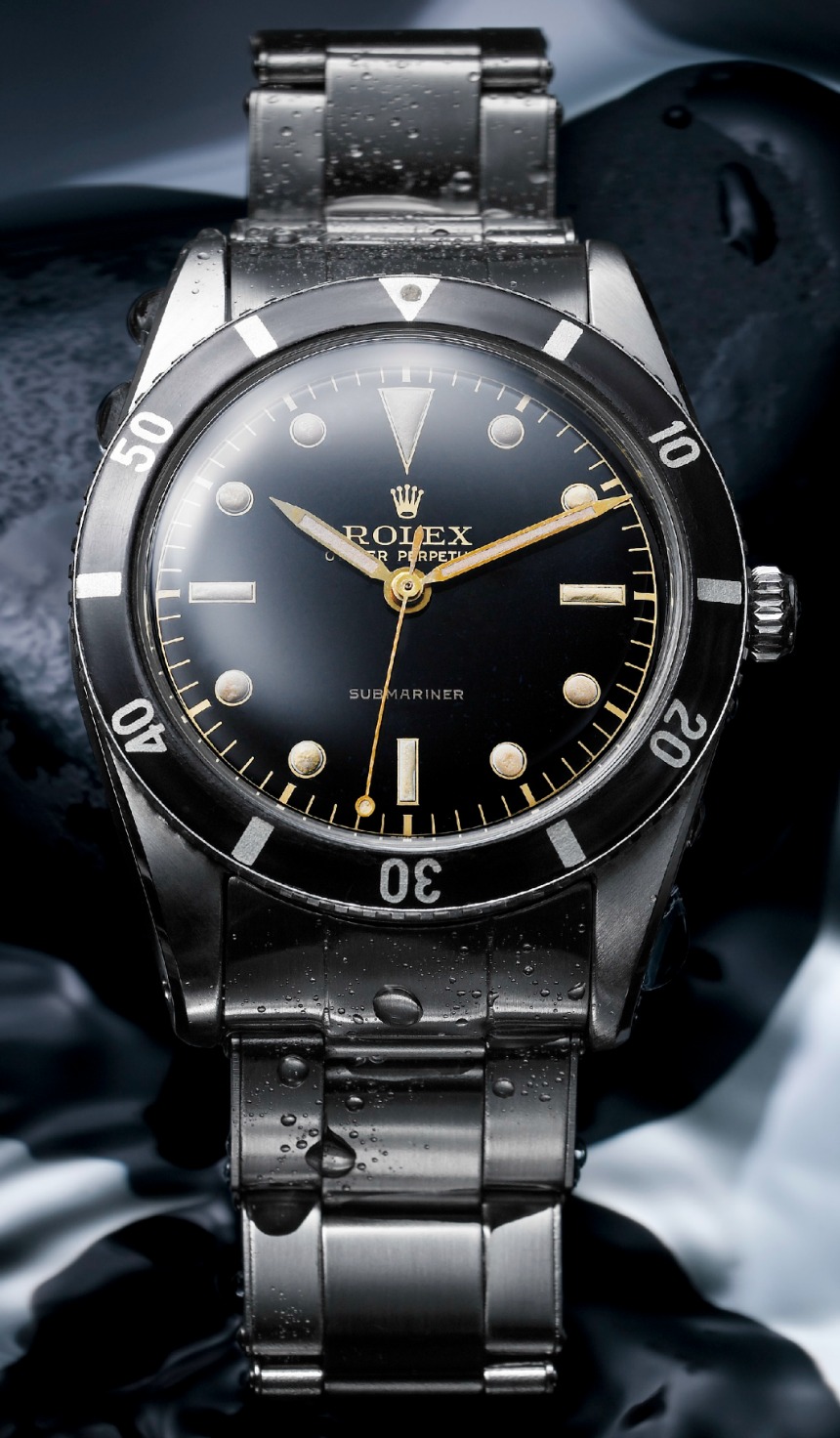
The First Rolex Submariner, 1953
©
https://www.ablogtowatch.com
The Datejust first introduced by Rolex in 1945 was not the first automatic watch with a date function but no one is curious about which watch was actually the first.
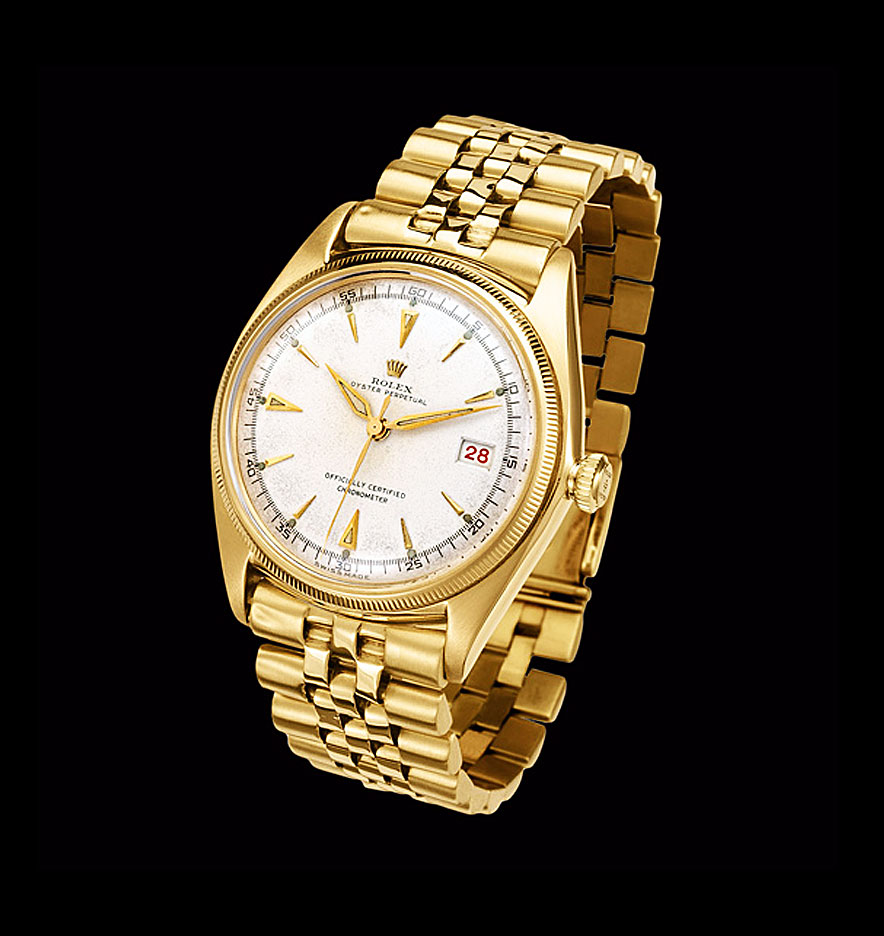
The Original 1945 Rolex Pre-Datejust
©
https://www.rolexmagazine.com
Cartier also has four representative model lines: Santos Tank Ballon Bleu and Panthère with Ballon Bleu enjoying considerable popularity as well.
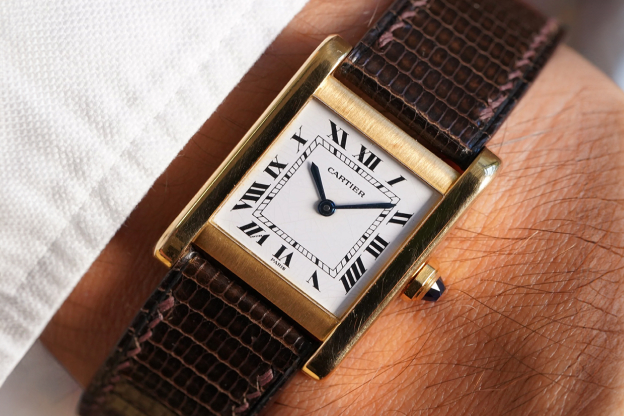
Cartier Tank Normale
© https://www.windvintage.com
Most watchmakers celebrate the 50 or 70 year history of their 'icons' by releasing limited editions and flashy promotions but the history of the Cartier Tank is 109 years and the history of the Santos is an impressive 122 years.
Resale Value Protection
Have you ever heard someone say 'I made money by buying IWC!'? It is the kind of comment where someone is happy that the retail price of the IWC they bought a few years ago has gone up and their asset value has increased while enjoying wearing the watch. Probably not.
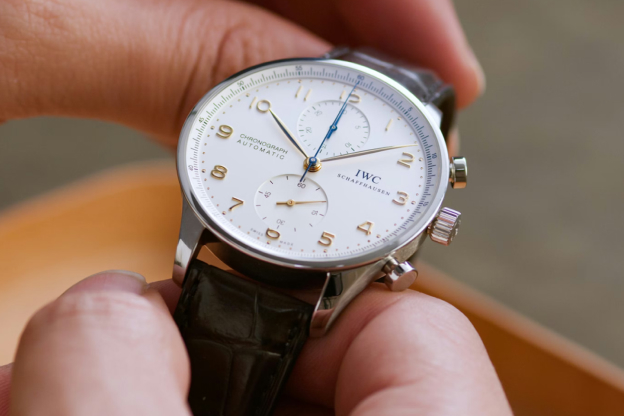
IWC Portugieser Chronograph
https://www.hodinkee.com
In 2011 the used price of an IWC Portugieser sold at a retail price of $11, 700 was about $5, 000 at the time. The moment you bought it more than 50% depreciation occurred. Currently (15 years later) the price of the same watch is $4, 600. Considering the decline in currency value (inflation) during that period it is equivalent to an additional 30% depreciation.
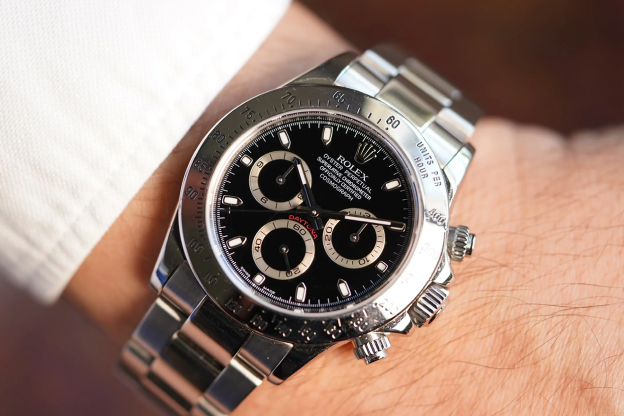
Rolex Daytona 116520
©
https://www.windvintage.com
On the other hand if you had bought a Rolex Daytona (116520) Datejust (116234) or the less expensive and less mechanically valuable Tank Solo (W5200013) for $2, 500 in 2011 instead of the Portugieser?
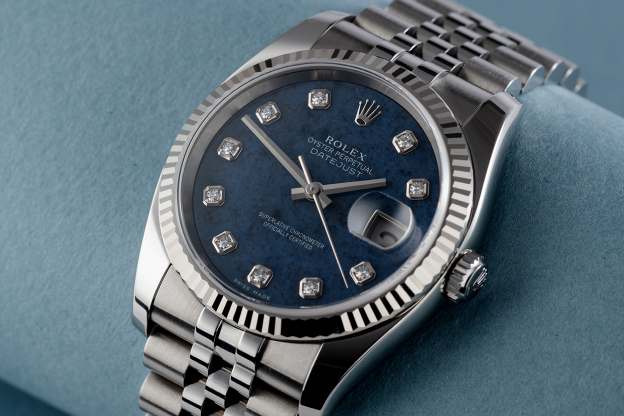
Rolex Datejust 116234 Sodalite Dial
©
https://www.watchclub.com
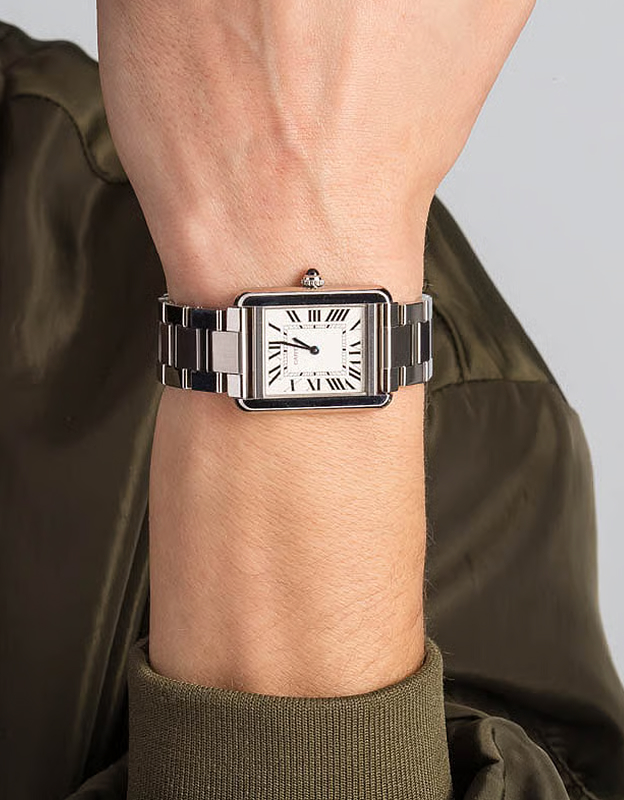
Cartier Tank Solo Steel
©
https://www.bobswatches.com
Currently the Daytona is traded at about $20, 000 which is a 77% increase the Datejust is about $10, 000 which is a 30% increase and the Tank Solo is about $3, 800 which is a 50% increase.
Of course it may be more comfortable to view watches as objects to appreciate and enjoy rather than as 'investments.' However if the value of the watch and the brand you purchased with your hard-earned money is recognized by more people and the price also rises is there any greater satisfaction with the brand? I believe this is possible because it is Cartier and because it is Rolex.

Table 2. Price of the new Tank Must and actual transaction price of vintage Tank Must Vermeil
So different yet so similar
Can Cartier be a perfect substitute for Rolex? Functionally and mechanically of course not.
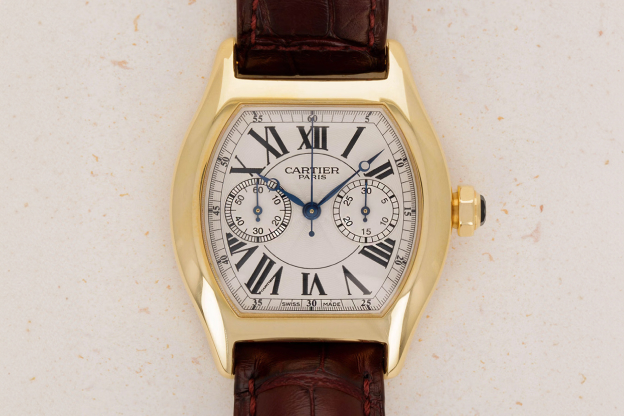
Cartier equipped with a high-end mechanical movement
Tortue Monopoussoir Chronograph
©
https://loupethis.com
However if there is a steadily growing demand for Cartier as an alternative to 'if not Rolex' or 'rather than Rolex' does that not already prove its value? Rather than competing to do what Rolex does best better than Rolex (like Omega) Cartier has focused more intensively on areas that Rolex does not cover. There are rumors that Cartier's sales and production exceeded 700, 000 units in 2025.
That is quite similar to Rolex about 20 years ago.
David Hwang
Watch Analyst
Watch Terminal